Francesco M. Labricciosa, MD, Specialist in Hygiene and Preventive Medicine

In a paper recently published in the World Journal of Emergency Surgery, an Italian multidisciplinary group of healthcare professionals promoted a Consensus Conference on the antimicrobial management of intra-abdominal infections (IAIs).
IAIs are common surgical emergencies, representing an important cause of morbidity and mortality across global hospital settings. The cornerstones of IAIs management include timely diagnosis, adequate source control, early and appropriate antimicrobial therapy, and quick physiological stabilization through intravenous fluid therapy and vasopressor agents, especially in critically ill patients.
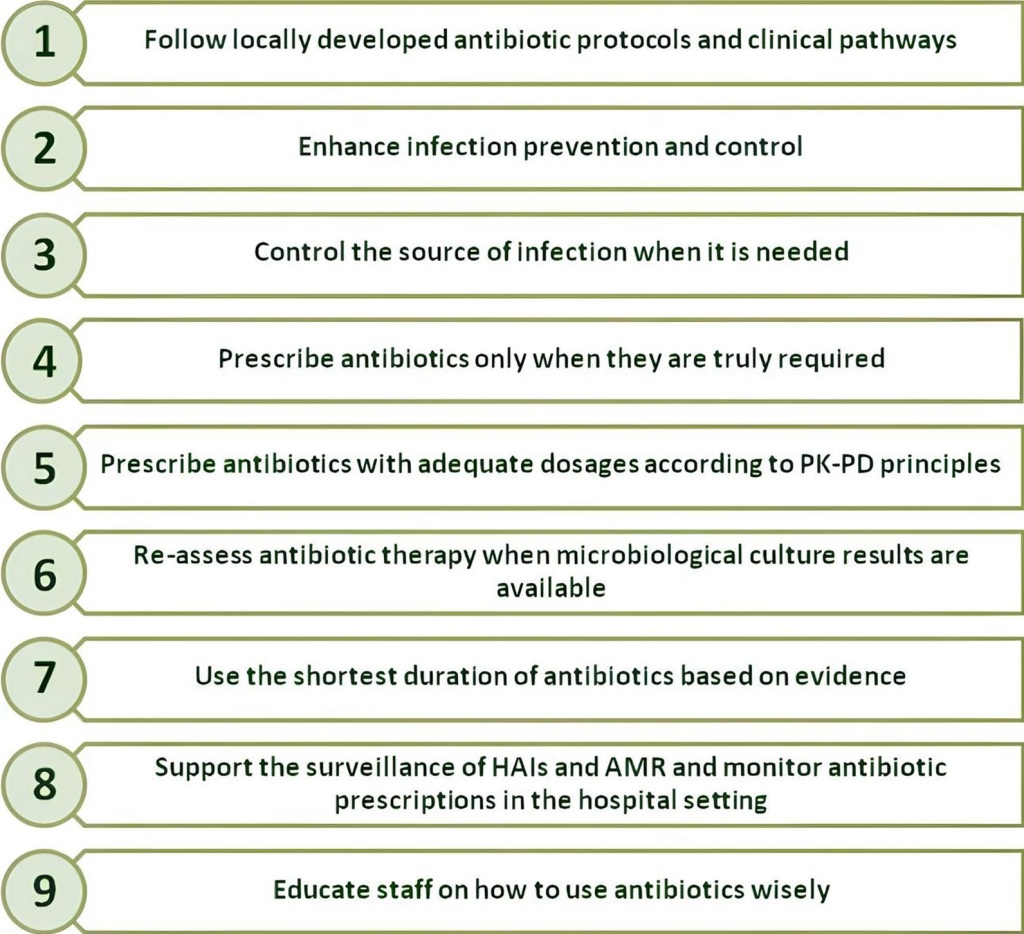
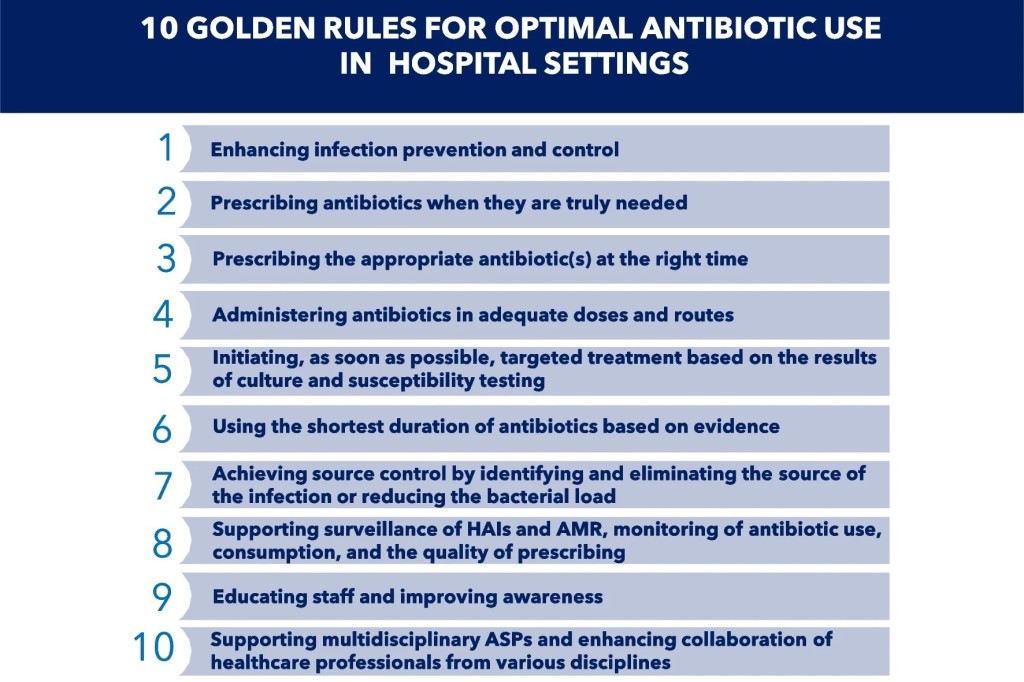
Optimizing antimicrobial therapy is of utmost importance to improve treatment effectiveness, increase patient safety, minimize the risk of selecting antimicrobial resistant microorganisms, and reduce the risk of opportunistic infections, such as Clostridioides difficile.
The Consensus Conference was promoted by the Multidisciplinary and Intersociety Italian Council for the Optimization of Antimicrobial Use which included diverse healthcare professionals: not only surgeons, but also infectious disease specialists, microbiologists, clinical pharmacologists, hospital pharmacists, emergency medicine specialists, intensivists, radiologists, and public health specialists.
After focusing on the general principles of diagnosis and treatment of IAIs, a list of relevant clinical questions was constructed to investigate the topic. Concerning the antimicrobial management of IAIs, basic subjects were faced, such as the optimal timing to start an antibiotic therapy, its reassessment based on the results of microbiological culture and susceptibility testing, its optimal duration, daily doses and modality of administration, without forgetting to discuss antifungal treatment, as well.
Following the best scientific evidence from PubMed, EMBASE Library and experts’ opinions, the panel produced 23 recommendation statements for the antimicrobial therapy of IAIs. They were planned and graded according to the GRADE hierarchy of evidence. Using a Delphi approach, a consensus was reached for each statement.
In the last section of the paper, 8 clinical diagnostic-therapeutic pathways for the most common IAIs were presented. The document was endorsed by the Italian Society of Surgery.
The authors concluded that an effective antimicrobial strategy for managing IAIs requires a correct balance between two elements: optimizing empiric therapy to improve clinical outcomes, and curbing excessive antimicrobial use to mitigate the emergence of multidrug-resistant strains.


 Global Alliance for Infections in Surgery